

Electrician Near Me
Same-Day Electrician Requests: What Homeowners Should Know
Set expectations for same-day electrician requests, share useful details, understand triage, and distinguish urgent safety needs from planned work.
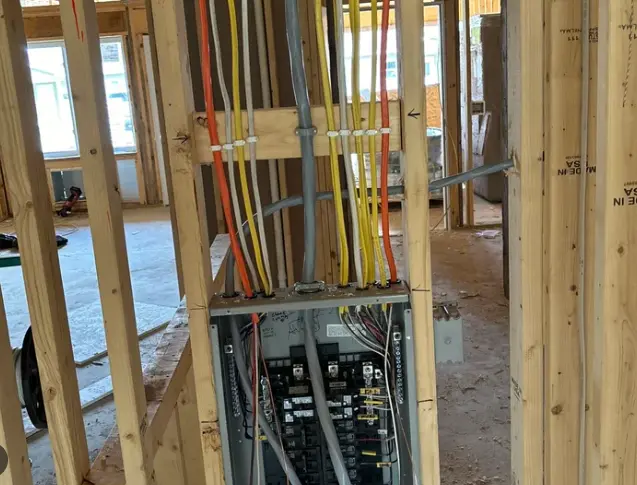
This article is general education, not electrical design or do-it-yourself instructions. A qualified professional must assess the property and applicable requirements.
Same-day electrical service is a dispatch outcome, not a promise that every repair will finish before night. Location, workload, travel, technician skills, parts, permits, utility involvement, and the condition itself all affect what is possible. A caller improves triage by reporting observable facts and safety concerns instead of simply saying the job is urgent. This guide prepares that call and the first-visit expectations; it cannot diagnose the problem from a message or photograph.
Give dispatch the facts that change priority
Start with the exact address and a safe callback number. Then report smoke, heat, sparking, shock, water, a burning odor, medical equipment, refrigeration, security systems, or a total versus partial outage. Say when the condition began, which area is affected, whether neighbors have power, and whether the utility or emergency services have already responded.
Do not approach the problem to improve the description. A safe observation is more useful than a risky photograph. The dispatcher can use the facts to decide whether an electrician is appropriate, whether the utility should respond first, and which technician and equipment the call may require.
Ask what “same day” means today
Request a real arrival range and the company’s update process. Advertising that says “24/7” or “same day” does not establish current capacity, travel time, or the outcome of the visit. Confirm whether the company is offering diagnosis, stabilization, a likely repair, or only an estimate for later permitted work.
Obtain the dispatch fee, included time, labor rate, travel or priority charge, cancellation terms, and approval method for added work. Ask what happens if a more urgent call delays the technician. A booked request should leave you with a contact channel and expectations, not merely an automated confirmation.
Verify the company before it arrives
Get the legal business name and check any required license through the authority serving the address. Ask how the technician will identify themselves and whether the person is an employee or a supervised subcontractor. An online directory profile is not a substitute for knowing which company contracts and invoices the job.
Where insurance documentation is material, confirm that it names the same business and direct coverage questions to the agent or carrier. Save the quoted fees and company details. Urgency should not require giving unusual payment credentials or accepting a contractor that refuses to identify itself.
Define the first-visit authorization
Authorize a clear initial task, such as diagnostic time up to a stated amount or isolation of an unsafe circuit. Require additional repair or material charges to be explained and approved. Parts, permits, utility action, or an inspection can prevent permanent completion during the same visit even when the technician arrives that day.
The work order should record findings, testing, temporary measures, parts installed, equipment left off, and the follow-up owner. If broader planned work is recommended, request a separate proposal with equipment, labor, approvals, restoration, and exclusions. Do not let a limited dispatch authorization become an open-ended renovation.
Preserve permits and safe-use restrictions
Ask whether permanent repair requires the utility, a permit, or an inspection and who coordinates each step. The answer depends on the location and scope; a fast response does not remove those requirements. If the first visit only isolates a condition, obtain a visible label or written restriction so another occupant does not re-energize it.
Keep the original call record, work order, photographs supplied by the technician, permit and inspection result, parts information, and final invoice. If the symptom returns, refer to that record instead of repeatedly operating a breaker or protective device.
Prepare for arrival without disturbing the scene
Make sure the authorized adult can answer the phone and provide safe access. Secure pets, share gate or tenant instructions, and have utility or prior-work references ready. Do not move anything wet, damaged, or close to exposed electrical parts to clear the way.
Confirm the technician’s identity at arrival and repeat the agreed purpose and spending authorization. Before the visit ends, ask what was found, what can be used normally, what must remain off, and what happens next. If the condition becomes actively dangerous while you wait, stop treating it as a scheduling issue and call the appropriate emergency service or utility.
Give dispatch the facts used for triage
Lead with the safety condition and functional impact. Say whether there is smoke, odor, heat, water, shock, sparking, medical equipment, refrigeration, security equipment, or a total versus partial outage. Then state the address, property type, affected area, when it began, and whether the utility reports a broader problem. This information is more actionable than repeatedly describing the call as urgent.
Provide access constraints and a phone number that will be answered. If the home is occupied by a tenant, clarify who can authorize diagnostics or repairs. The dispatcher may distinguish an emergency response from a same-day convenience request. Accurate facts help the company decide whether it has the right technician, parts, travel time, and safe arrival window.
Agree on the purpose of the first visit
Same-day service may end with a diagnosis, an isolated circuit, a temporary safe condition, a completed repair, or a proposal for permitted work. Ask which result the company expects and what could require a return trip. A part may be unavailable, a utility seal may be involved, or an authority may require approval before permanent work.
Confirm the dispatch fee, minimum billable time, after-hours rate when applicable, cancellation terms, and how additional labor or materials are authorized. Ask the technician to document findings and any equipment left out of service. If the issue returns after the visit, use the original work order and avoid experimenting with protective devices.
Prepare for a narrow arrival window without creating new risk. Make sure the authorized adult and access instructions are clear, secure pets, and provide any utility outage reference or prior work order. Do not move wet belongings or open equipment to create access. If the technician must leave before permanent work is possible, obtain the condition found, actions taken, restrictions on use, parts or approvals still needed, and the company’s follow-up process in writing.
Decide who can authorize work during the visit
Same-day scheduling often compresses decisions. Before the technician arrives, identify the adult or property representative who can approve diagnostic time, a limited repair, a shutdown, or a return visit. If the property is rented or managed, establish whether the occupant, owner, or manager controls each decision and give the dispatcher the right contact.
Set a spending boundary and require a new explanation before it is exceeded. The technician may discover that the requested repair depends on a part, permit, utility action, or additional investigation. A clear authorization process lets the electrician make the condition safe without treating every recommendation as preapproved.
If the work affects refrigeration, medical equipment, internet, gates, alarms, or remote work, tell the dispatcher and plan for the interruption. Those needs do not determine the electrical solution, but they influence safe sequencing and whether the household needs another location while work continues.
At closeout, make sure the person who authorized the work receives the same written findings and restrictions as the occupant. Record what was completed, what remains, the return-visit plan, and whom to call if the symptom changes. This prevents a fast visit from leaving split information among the dispatcher, technician, owner, and resident.
If the request is for planned convenience rather than a fault, say so. Dispatch can then avoid treating an ordinary installation as an emergency and can tell you whether a properly prepared estimate or scheduled work block is realistically available that day.
Frequently asked questions
Does “same day” guarantee an arrival?
No. Obtain an actual window and update process. Availability can change with emergency calls, travel, technician skill, weather, and parts. Ask whether the company will notify you if the visit moves.
Will the repair be completed today?
Not necessarily. The technician may diagnose, isolate, or make a temporary safe repair. Permanent work can depend on parts, permitting, inspection, utility access, or additional labor. Confirm the expected first-visit result.
Is a same-day visit more expensive?
It may include dispatch, priority, travel, or after-hours charges. Request the fee and billing basis before accepting the visit. Additional repairs should require your approval under the stated process.
Can I send photos to speed up triage?
Yes, when they can be taken from a safe position without opening covers or entering a hazardous area. Include labels and overall location. A photo cannot establish every condition or replace testing.
What if the electrician is delayed after I book?
Use the company’s update channel and decide whether the revised window works. If the condition becomes hazardous, stop waiting and contact the appropriate emergency service or utility.
Next step for a same-day request
Send the exact address, safe observations, affected rooms or equipment, and a callback number when you contact Voltera Energy. The team can check current provider availability and tell you what the requested visit is expected to cover. Form submission does not guarantee a same-day arrival or completed repair. Non-urgent projects are outlined under home electrical services.
Sources
Request a property-specific assessment
Share the address, equipment and project goal. The service team can confirm the next step and proposed provider qualifications.
More from the learning center
Continue reading.
Related guides for the next decision.
Building a Whole-Home Electrical Upgrade Plan
Build a phased electrical plan that connects safety repairs, rewiring, panels, circuits, EV charging, electrification, solar, and backup power.
Read the articleChoosing an Electrician for a Home Remodel
Plan home-remodel electrical work around drawings, loads, lighting, permits, trade coordination, inspections, change orders, and future needs.
Read the articleChoosing an Electrician for an Older Home
Find an electrician who can assess an older home’s wiring, service, grounding, devices, access, and renovation needs without relying on assumptions.
Read the article