

Electrician Near Me
How to Request a Home Electrical Safety Inspection
Learn how to define a home electrical safety inspection, select a qualified provider, prepare the property, and request a useful written report.
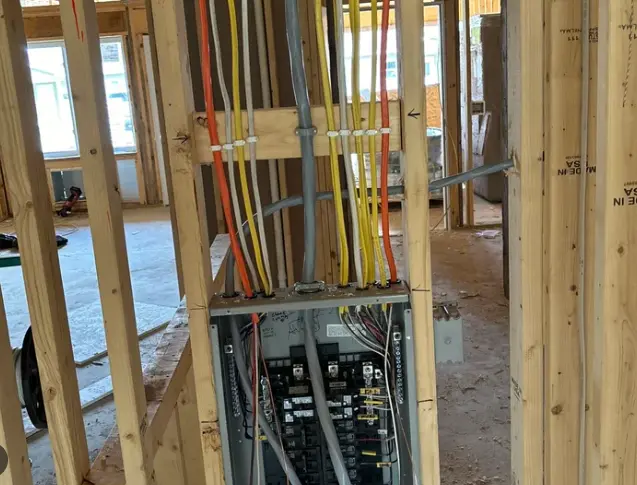
This article is general education, not electrical design or do-it-yourself instructions. A qualified professional must assess the property and applicable requirements.
The phrase “home electrical safety inspection” can describe several different services: an authority’s code inspection, a home-inspector review, an electrician’s condition assessment, or targeted diagnostic testing. Before booking, state why you want the visit and ask for its written boundaries. This article explains how to define a useful inspection and evaluate the resulting report. No noninvasive checklist can guarantee discovery of every concealed condition, and only the assigned professional can assess the home itself.
Choose the question the inspection should answer
State why you want the review: a purchase report, recurring symptoms, an older home, an insurance request, a renovation, or a general condition baseline. Each purpose changes the areas, tests, and written conclusions that are useful. A request for “everything electrical” is difficult to price and can create false expectations about concealed wiring.
Supply prior reports, renovation history, panel schedules, known equipment, and safely collected observations. Mark areas that cannot be accessed without moving finishes or stored property. Do not remove covers or approach a suspected hazard in order to make the request look complete.
Route active hazards outside the inspection process
A scheduled assessment is not a substitute for emergency response. Fire, smoke, active arcing, shock, fallen conductors, or water around energized equipment may require evacuation, emergency services, or the utility. Keep people away and make the call from a safe place instead of waiting for an inspector.
For a stable, non-emergency symptom, note when and where it occurs and what equipment was operating. Tell the provider whether the inspection should include targeted diagnosis, since troubleshooting can require different tools, time, and fees from a visual condition review.
Verify who is qualified to produce the report
Ask which person will conduct the assessment, which business contracts for it, and what license or other credential applies in the jurisdiction. Verify claims through the issuing source. Also determine whether the provider is acting as an electrician, home inspector, code official, engineer, or another professional, because those roles do not have identical authority or deliverables.
Request insurance information appropriate to the service and check that the named insured matches the agreement. If specialty testing is subcontracted, identify the company and the person who interprets its result. A directory label does not replace a clear statement of responsibility.
Compare inspection methods and boundaries
The written offer should name the rooms and systems reviewed, access permitted, sampling method, testing included, and conditions that stop a test. It should address panel access, representative devices, protective-device operation, grounding and bonding observations, exterior equipment, and any optional thermal imaging or circuit tracing without implying that every item belongs in every inspection.
Confirm the report format, photographs, severity or priority language, exclusions, turnaround time, and whether repair pricing is separate. A noninvasive inspection cannot guarantee the condition of all concealed wiring. Ask how inaccessible areas and inconclusive findings will be described rather than accepting a broad “passed” statement.
Keep assessment and repair decisions distinct
Find out whether the same company will offer repairs and how it separates observations from sales recommendations. The report should identify the evidence for each finding and distinguish an immediate concern, a repair related to the inspection purpose, an optional improvement, and an item that could not be verified.
Do not feel obligated to authorize unrelated work during the visit. For substantial repairs, request a defined scope, permit responsibility, testing, restoration, and change-order process. A second opinion can be reasonable when the finding is expensive, invasive, or based on limited access.
Prepare access and preserve the baseline
Make normal access available to the agreed rooms, closed panels, attics or crawlspace entrances, and major equipment, but leave wet, damaged, or unstable areas alone. Secure pets and keep occupants clear of testing. Have the original reason for the inspection and prior records ready at the start.
Afterward, store the signed report, photographs, limitations, repair proposals, permits, inspection results, and invoices together. If repairs are completed, ask for the report to be annotated or for a separate closeout record. This creates a useful before-and-after history without rewriting the original observations.
Use an inspection booking checklist
Define the purpose, report type, physical boundaries, testing, access, fee, and turnaround. Verify the provider’s role and applicable credentials, and identify any subcontracted testing. Ask how hazards, inaccessible areas, uncertain findings, and repair recommendations appear in the report.
A useful inspection makes its limits as clear as its findings. Avoid a provider who guarantees that a brief visual visit will find every concealed defect or who pressures you to approve a broad replacement program before explaining the evidence.
Define what “inspection” means in your request
A municipal code inspection, home inspection, contractor safety assessment, and diagnostic evaluation have different authority and boundaries. Tell the provider why you want the review: recurring symptoms, an older property, a purchase, insurance request, renovation, or general maintenance. Ask for a written list of included systems, rooms, tests, and inaccessible areas.
Clarify whether the service includes the service entrance, panel exterior and interior, grounding and bonding observations, representative devices, GFCI/AFCI operation, attic or crawl-space wiring, outdoor equipment, smoke alarms, and thermal imaging. Not every inspection includes every item. Never assume a noninvasive review can guarantee that concealed wiring has no defects.
Ask for a report that supports decisions
A useful report identifies the location and observed condition, includes photographs where safe, and distinguishes urgent hazards from repairs and optional improvements. It should state limitations and recommend the appropriate next professional or test when an issue is outside the inspection boundary. Avoid vague labels that provide no evidence or next step.
Decide whether repair pricing belongs in the same visit or a separate proposal. Combining assessment and sales can be convenient, but the findings should remain understandable on their own. For major recommendations, ask what standard, instruction, measurement, or observed damage supports them and consider an independent opinion.
Read the report by evidence and priority
Start with the inspector’s stated scope and limitations. A finding based on a visible damaged device is different from a concern inferred from age, and an inaccessible area is not the same as an area found satisfactory. The report should let you trace each recommendation to an observation, test, photograph, or applicable requirement without turning the entire home into one pass-or-fail score.
Ask the provider to classify what needs immediate attention, what affects a planned project, what represents a maintenance item, and what is optional modernization. If a condition requires another specialist or destructive access to evaluate, that referral should be explicit. A severe label without an explanation is hard to act on, while a calm label should not minimize evidence of heat, damage, or failed protection.
When repair estimates are included, keep them visually separate from the inspection findings. You should be able to share the report with another qualified contractor without losing the original evidence. For costly or extensive recommendations, compare scopes and confirm permit or design requirements before work begins.
After repairs, preserve the original report and add closeout documentation rather than deleting or rewriting the finding. Note the repair date, contractor, permit, inspection result, equipment installed, and any condition that could not be addressed. That history helps with later renovations, insurance questions, resale records, and future troubleshooting.
If the inspection was requested by an insurer, lender, buyer, landlord, or another outside party, confirm that party’s required form and provider qualifications before booking. An electrician’s useful narrative report may not satisfy a separate program’s format, and a checklist produced for that program may not answer all of the homeowner’s maintenance questions. Clarify both purposes so the visit does not need to be repeated.
Frequently asked questions
How long does an electrical safety inspection take?
Time depends on home size, access, systems included, testing methods, and findings. Ask the provider to define the scope and expected duration rather than relying on a universal number.
Will the inspection find wiring hidden in walls?
A noninvasive review has limits. The report should state inaccessible areas and whether symptoms justify diagnostic testing or selective access. No visual inspection can promise discovery of every concealed defect.
Is a contractor inspection the same as a city inspection?
No. A code official acts under public authority for permitted work; a contractor assessment is a private service. Confirm which one is required for your purpose and what document each provides.
Should an inspection include repair prices?
It may, but keep observed findings separate from sales options. Request location, evidence, priority, and limitations first. For major work, compare written proposals or obtain an independent opinion.
Do I need an inspection before adding an EV charger?
The installer needs enough assessment to design the charging circuit, including equipment, route, and electrical capacity. A separate whole-home safety inspection is not automatically required unless the property or project indicates it.
Take the next step
The project team can review the address and requested work, then confirm provider and service availability. A request is not a confirmed appointment, diagnosis, or final quote. Use the process above to organize your request, then contact Voltera Energy or review home electrical services.
Sources
Request a property-specific assessment
Share the address, equipment and project goal. The service team can confirm the next step and proposed provider qualifications.
More from the learning center
Continue reading.
Related guides for the next decision.
Building a Whole-Home Electrical Upgrade Plan
Build a phased electrical plan that connects safety repairs, rewiring, panels, circuits, EV charging, electrification, solar, and backup power.
Read the articleChoosing an Electrician for a Home Remodel
Plan home-remodel electrical work around drawings, loads, lighting, permits, trade coordination, inspections, change orders, and future needs.
Read the articleChoosing an Electrician for an Older Home
Find an electrician who can assess an older home’s wiring, service, grounding, devices, access, and renovation needs without relying on assumptions.
Read the article