

Electrician Near Me
Questions to Ask an Electrician Near Me Before Booking
Use these practical questions to check an electrician’s qualifications, project approach, quote, permits, schedule, and warranty before booking.
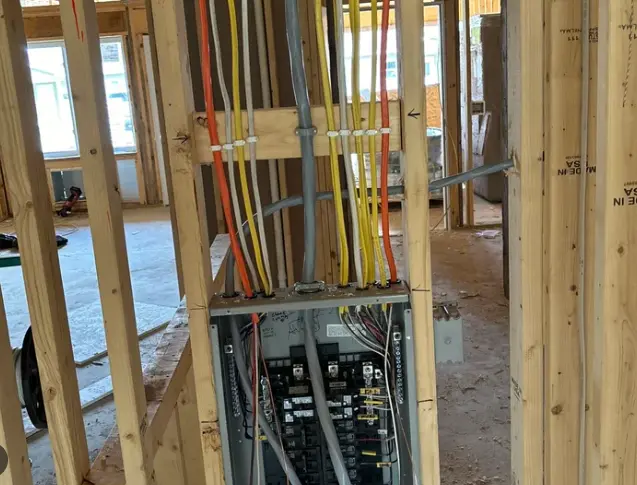
This article is general education, not electrical design or do-it-yourself instructions. A qualified professional must assess the property and applicable requirements.
A productive booking call should answer more than “When can someone come?” It should identify the contracting business, the purpose and fee for the first visit, the information the electrician needs, and who can approve changes. The question sequence below turns a vague request into a usable appointment record without asking the homeowner to diagnose the wiring. Technical conclusions must wait for the qualified person who evaluates the property.
Ask what kind of visit you are booking
Open with the address, property type, observable problem or planned result, and preferred schedule. Then ask whether the company is offering diagnosis, a visual estimate, an inspection with defined boundaries, or time reserved to perform known work. Those are different services. Confirm the initial fee, included time, and written deliverable before comparing appointment windows.
For equipment work, provide the exact model and instructions. For an intermittent symptom, explain when and where it occurs without guessing at the cause. Safe photographs can help orient the dispatcher, but the company should never ask you to remove a cover or approach a hazardous condition for the booking call.
Ask who takes responsibility for the job
Request the legal contracting name, applicable license number, and name or role of the person expected to arrive. Use the government lookup responsible for your address, and compare the classification and status with the offered work. Ask whether the visitor is an estimator, electrician, apprentice, salesperson, or subcontractor and who supervises any field work.
If the property owner requires insurance documentation, confirm that the named insured matches the contract and direct coverage questions to the agent or carrier. Also ask which company provides the workmanship terms and handles a callback. This prevents a marketplace, salesperson, and contractor from being treated as one unidentified party.
Ask how the company has handled comparable work
Name the project rather than asking only how long the company has been in business. A lighting replacement, service upgrade, rewire, generator, and EV circuit require different planning. Invite the electrician to describe the information needed, likely sequence, and decisions that cannot be made before an on-site assessment.
For a product that uses manufacturer training or authorization, ask which current program applies and verify the claim with the manufacturer. Be cautious if the caller guarantees a remote diagnosis, insists that permits never apply, or recommends major replacement without reviewing the property and requested outcome.
Ask who handles permits and inspection
Use a plain question: “Who checks what this address and scope require, and who obtains the permit if one is needed?” The contractor should identify the responsible local authority rather than give a universal answer. If utility work may be involved, ask who initiates that request and how it affects scheduling.
Clarify who attends inspections, corrects work within the contracted scope, and pays when a customer change or pre-existing condition creates additional work. Keep approved plans, permit and inspection results, equipment records, and the final invoice. The booking call should reveal the process even if exact requirements await site review.
Ask how price and scope can change
Record the dispatch or estimate fee, minimum labor, travel or after-hours charges, and the way added diagnostic time is approved. For planned work, request a written proposal that names equipment, labor, approvals, restoration, exclusions, payment timing, and warranty terms. Ask what site condition could turn the price into a change order.
Do not rely on “everything is included.” Ask specifically about patching, trenching, utility charges, inspection corrections, cleanup, and another visit for unavailable parts. The company may not know every answer before assessment, but it should explain how unresolved items are documented and authorized.
Ask what to prepare and what not to touch
Find out which rooms, closed panels, equipment labels, manuals, and prior records should be accessible. Arrange an authorized adult, secure pets, and provide gate or parking instructions. Do not move wet or damaged items or open electrical equipment to prepare for the visit.
At arrival, verify the company identity and repeat the appointment purpose. Ask for an explanation before testing, a shutdown, destructive access, or expanded scope begins. When the visit ends, collect the findings, approved changes, receipts, and next step so the original booking record remains connected to the work performed.
Organize questions in four layers
Begin with identity: Who is contracting, who will arrive, and which license applies? Move to process: Is the appointment diagnostic, estimating, or intended for repair? Then cover scope: Which parts, routes, permits, shutdowns, and restoration are expected? Finish with closeout: What testing, labeling, inspection record, invoice detail, and warranty document will be delivered? This order keeps the call conversational while making omissions easier to notice.
Use follow-up questions that invite an explanation. Instead of asking only whether the job is “up to code,” ask which authority has jurisdiction and who will arrange the required inspection. Instead of asking whether the price is final, ask which concealed conditions or customer changes could alter it. The response reveals more than a yes-or-no answer and gives you language that can be carried into the written agreement.
Turn the booking call into an appointment record
Write down the date, dispatcher’s name, appointment purpose, arrival window, initial charge, cancellation rule, and the name shown on the vehicle or identification. Record whether power may be interrupted and which adult must be present to approve decisions. If photos or model numbers are requested, send only information that can be collected without opening equipment or approaching a hazard.
End the call by repeating the problem and expected first step in one sentence. For example: “This is a diagnostic visit for an intermittent kitchen circuit, and the quoted visit fee covers the first hour of testing.” Ask the company to correct anything you misunderstood. A simple confirmation message can prevent a technician from arriving prepared for a different task.
Ask one final question: “What have we not included?” The answer may reveal parking or travel charges, finish repair, permit fees, a separate utility visit, customer-supplied equipment, or a return appointment after diagnosis. Record those exclusions beside the appointment purpose. A short list of what is outside the booking is often more useful than a broad promise that the company can “take care of everything.”
Confirm communication and closeout before the appointment
Ask how the company sends arrival updates and whom you should contact if conditions change. Record the cancellation or rescheduling rule and whether a missed window changes the fee. For tenant-occupied property, confirm which person receives updates and who can approve access or added time.
Closeout questions belong on the booking list too. Find out whether you should expect written findings, photographs, an itemized invoice, equipment information, permit or inspection records, and warranty instructions. A small repair may not produce every document, but the company should be able to state what it provides.
If the first visit ends with a proposal rather than completed work, ask when it will arrive and how long pricing remains valid. Keep the appointment confirmation and resulting record together so later changes can be compared with the original request.
Also ask whether the company needs an adult onsite for the full visit and what identification the technician will show. These simple details prevent access confusion and make it clear who is authorized to discuss or approve the work.
Frequently asked questions
Should I ask for a license number on the first call?
Yes. Obtain the legal business name and the credential claimed for your address, then use the responsible government lookup. The dispatcher may need to send the number after the call; what matters is verifying it before you sign or authorize regulated work.
Is it reasonable to ask who will arrive?
Yes. Ask whether the visitor is an estimator, service electrician, apprentice, salesperson, or subcontractor and who supervises the work. The company may not know the individual far in advance, but it should explain its identification and supervision process.
What should I ask about the first-visit fee?
Confirm the amount, included time, travel or after-hours additions, and whether any portion is credited to approved repairs. Ask how extra diagnostic time is authorized so the visit cannot quietly expand beyond the amount you expected.
How do I ask about permits without sounding technical?
Simply ask, “Who checks whether this address and scope need a permit, and who will obtain it if required?” The contractor should identify the authority having jurisdiction rather than giving a universal answer for every city.
Should warranty questions come before booking?
Ask enough to understand whether workmanship terms will be provided in writing and whether equipment carries separate manufacturer coverage. Final details can follow the proposal, but “we stand behind it” is not a substitute for written duration, exclusions, and service instructions.
Next step with your question list
Use the four question layers above when you contact Voltera Energy: identity, visit process, proposed scope, and closeout. Include the address and requested work so the team can check availability and clarify what the first appointment is meant to accomplish. A request is not yet a confirmed appointment or quote. You can review home electrical services to help describe the project.
Sources
Request a property-specific assessment
Share the address, equipment and project goal. The service team can confirm the next step and proposed provider qualifications.
More from the learning center
Continue reading.
Related guides for the next decision.
Building a Whole-Home Electrical Upgrade Plan
Build a phased electrical plan that connects safety repairs, rewiring, panels, circuits, EV charging, electrification, solar, and backup power.
Read the articleChoosing an Electrician for a Home Remodel
Plan home-remodel electrical work around drawings, loads, lighting, permits, trade coordination, inspections, change orders, and future needs.
Read the articleChoosing an Electrician for an Older Home
Find an electrician who can assess an older home’s wiring, service, grounding, devices, access, and renovation needs without relying on assumptions.
Read the article