

Tesla Certified Installer
Load Calculations Before Tesla Charger Installation
Learn why an electrical load calculation matters before Tesla charger installation and how it informs circuit size, power management, and panel decisions.
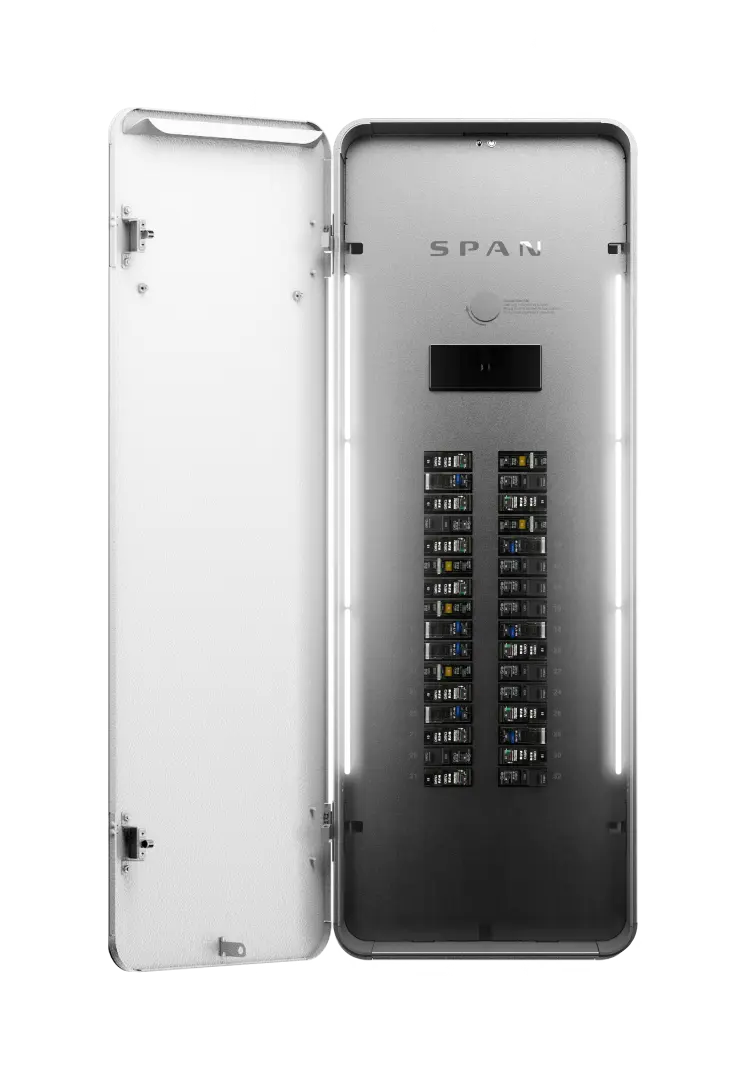
This article is general education, not electrical design or do-it-yourself instructions. A qualified professional must assess the property and applicable requirements.
A Tesla charger load calculation should connect the requested charging rate with the rest of the property’s electrical demand. Empty breaker spaces, a service label or a remote photograph cannot answer that question alone. This guide explains what information supports a useful assessment, how to compare proposed solutions and which calculations and measurements belong with the qualified professional designing the circuit.
The useful result is a documented charging load that the existing service can support, or a justified management or infrastructure plan when it cannot. Breaker spaces and panel appearance are not substitutes for the applicable professional load method.
Why EV charging changes the load conversation
Home EV charging can operate for hours, so the design treats it differently from a short-use appliance. The electrician evaluates the proposed charging load with the home’s other loads rather than looking only for an empty breaker space. Heating, cooling, water heating, cooking, dryers, pools, workshops, solar, storage, and another EV can all influence the result.
The goal is not to prove the home can support the charger’s maximum output. It is to identify a charging level that meets the household’s use while remaining within an accepted design. A lower current may still recover a daily commute overnight; a high-mileage household may prioritize more capacity.
What information belongs in the calculation
The contractor may need service and feeder ratings, panel information, dwelling size, fixed appliances, heating and cooling details, cooking equipment, water heating, existing EV loads, and planned additions. The exact method depends on the project and authority having jurisdiction. Provide model data when available rather than guessing appliance ratings.
Some jurisdictions may accept documented demand information under specified conditions. Historical utility bills alone may not contain the interval detail or method needed. Ask which calculation path is being used, what period or equipment data supports it, and whether the permitting authority accepts that path.
Turn the result into design options
A calculation can support several designs: the requested dedicated circuit, a smaller circuit, supported dynamic management, scheduling, distribution changes, or service work. Each option produces a different charging experience and cost. Request a table that shows the maximum configured charging current and major added equipment for each viable alternative.
Dynamic management does not create capacity. It controls charging in response to other demand within configured limits. Ask where current is measured, what hardware communicates with the Wall Connector, how failure is handled, and how the system will be tested. The inspector may require documentation for the exact arrangement.
Separate panel condition from load capacity
A load result can be acceptable while the panel still needs work because of damage, obsolete equipment, insufficient spaces, bus limitations, or other defects. The reverse can also occur: a modern panel may be physically sound yet lack capacity for the preferred charging load. Ask the proposal to list these reasons separately.
A subpanel adds distribution positions but does not enlarge the upstream service. A service upgrade can involve the meter, service conductors, main equipment, utility, grounding and permitting—not just a new breaker box. Precise terminology prevents a simple charger quote from turning into an undefined “panel upgrade.”
Preserve the design basis for future electrification
Keep the calculation and assumptions after installation. Note the commissioned Wall Connector current and any managed-load setting. When adding a heat pump, induction range, battery, solar inverter, second EV, or addition, give the records to the next designer so the charging load is not overlooked or counted incorrectly.
If the home changes substantially, the old calculation may no longer describe it. Future contractors should update the inputs rather than treating a prior approval as permanent spare capacity. Label monitoring equipment and avoid removing it without understanding its role in charging control.
Compare capacity recommendations using the same inputs
A capacity-based quote should address site data collection, the load method, proposed EV load, circuit design, management equipment if used, panel or service work if justified, permits and documented settings. The bidder should identify the calculation inputs, exact management hardware, licensed designer or contractor and facts awaiting field verification. Until those inputs are visible, a panel-upgrade price and a managed-charging price do not represent comparable solutions.
Watch for declaring a panel upgrade from a photograph alone, ignoring other large loads or offering a charging current without documenting why the system can support it. If service data or an appliance rating is missing, the assessment should name that input and remain provisional. The final recommendation should not precede the facts used in the calculation.
At handoff, the charger setting and installed circuit should match the approved design, and any power-management device or operating limit should be recorded. Store the design basis with the panel label and commissioning information. If the Tesla equipment and electrical circuit have different support contacts, note both beside those records.
Request the calculation basis in writing
Provide known service, panel and feeder details; major appliances; electric heating and cooling; existing EV or storage equipment; credible additions; and the charging goal. Utility bills or prior drawings may help when requested. Leave covers closed and let the responsible professional decide which measurements and load data the applicable method requires.
Ask who performs the load calculation, which method applies, how service information is confirmed and who commissions the final charger setting. Verify the electrical contractor through the licensing authority for the address. If Tesla management equipment is included, also confirm current product competence and responsibility for its configuration and later troubleshooting.
Ask the electrician to show how the proposed charging circuit was evaluated with the property’s other loads. When ready, request service with the product and address or review Tesla Wall Connector installation. Confirm the provider, approved design basis, service availability, equipment support and final scope before authorizing the circuit.
Record the chosen design basis
Check that the calculation inputs, proposed charger setting, other major loads and any management equipment agree throughout the proposal. If a service upgrade is recommended, request the finding that supports it and compare compliant alternatives before authorizing utility-level work.
The proposal should connect its load method and verified site inputs to the exact EV circuit and configured charger output. Review site-data collection, proposed EV load, management equipment, panel or service work, permits and recorded settings as one chain of reasoning. When Tesla power-management hardware is proposed, check the current compatibility and installation documents for that configuration. Ask the electrician to distinguish a calculated constraint from a condition or space problem in the existing panel.
Organize the assessment with service and panel information, feeder details, major electric appliances, heating and cooling, existing EV or storage equipment, credible planned additions and daily charging goals. Utility bills and prior electrical records may be helpful when the responsible professional requests them. Do not remove covers or take live measurements; provide safe access and let the electrician confirm the inputs required by the applicable method.
Make the design result part of project closeout. The final charger setting and installed circuit should match the approved basis, and the owner should receive a record of any power-management equipment, service limit or operating assumption. That documentation provides a checkable completion standard for this installation; it is not a promise that later, unreviewed loads can be added without another assessment.
Separate confirmed load inputs from estimates in the proposal. If an appliance rating, demand record, feeder detail, future load or service limit is still unknown, identify who will verify it and whether the finding can change the price or design. Resolve those dependencies before installation rather than allowing a preliminary assumption to become the undocumented basis for the charger setting.
Connect the calculation to a realistic charging profile
The proposed EV load should reflect how the car will actually be used, not simply the Wall Connector’s highest possible setting. Give the electrician typical daily mileage, the longest regular trip, time parked overnight and any second vehicle being considered. Ask how the selected charging current supports that pattern and what happens on an unusually busy day. A lower approved setting may still restore a full day’s driving during the available window, while a household with short dwell times may need another design. This conversation does not replace the required calculation; it ensures that the calculation answers the homeowner’s real charging question.
Frequently asked questions
What is an electrical load calculation?
It is a structured method used to evaluate expected demand on a service, feeder or panel. The applicable method depends on the project and jurisdiction.
Is the main-breaker number enough?
No. A service rating alone does not describe existing demand, feeder limits, panel condition or how a new continuous load should be treated.
Can actual energy data be used?
In some circumstances, documented demand or monitoring may inform a permitted method. The designer and authority having jurisdiction must accept the approach.
Does lower charging current avoid all upgrades?
It may reduce the proposed load, but the complete circuit and property still require assessment. Do not treat a lower setting as automatic approval.
Should I keep the calculation?
Yes. Keep it with the proposal, permit records and commissioned current so future electricians understand the design basis.
Sources
Request a property-specific assessment
Share the address, equipment and project goal. The service team can confirm the next step and proposed provider qualifications.
More from the learning center
Continue reading.
Related guides for the next decision.
Cable Routing for a Tesla Charger Installation
Compare Tesla charger cable routes through garages, attics, crawlspaces, exterior walls, and underground paths while planning access and restoration.
Read the articleDo I Need a Panel Upgrade for a Tesla Wall Connector?
Find out how electricians evaluate panel capacity for a Tesla Wall Connector and when load management, a smaller circuit, or panel work may be considered.
Read the articleGen 3 Tesla Wall Connector Installation Planning
Plan a Gen 3 Tesla Wall Connector project around the circuit, mounting location, connectivity, commissioning, power sharing, and future charging needs.
Read the article