
Tesla Certified Installer
Do I Need a Panel Upgrade for a Tesla Wall Connector?
Find out how electricians evaluate panel capacity for a Tesla Wall Connector and when load management, a smaller circuit, or panel work may be considered.
This article is general education, not electrical design or do-it-yourself instructions. A qualified professional must assess the property and applicable requirements.
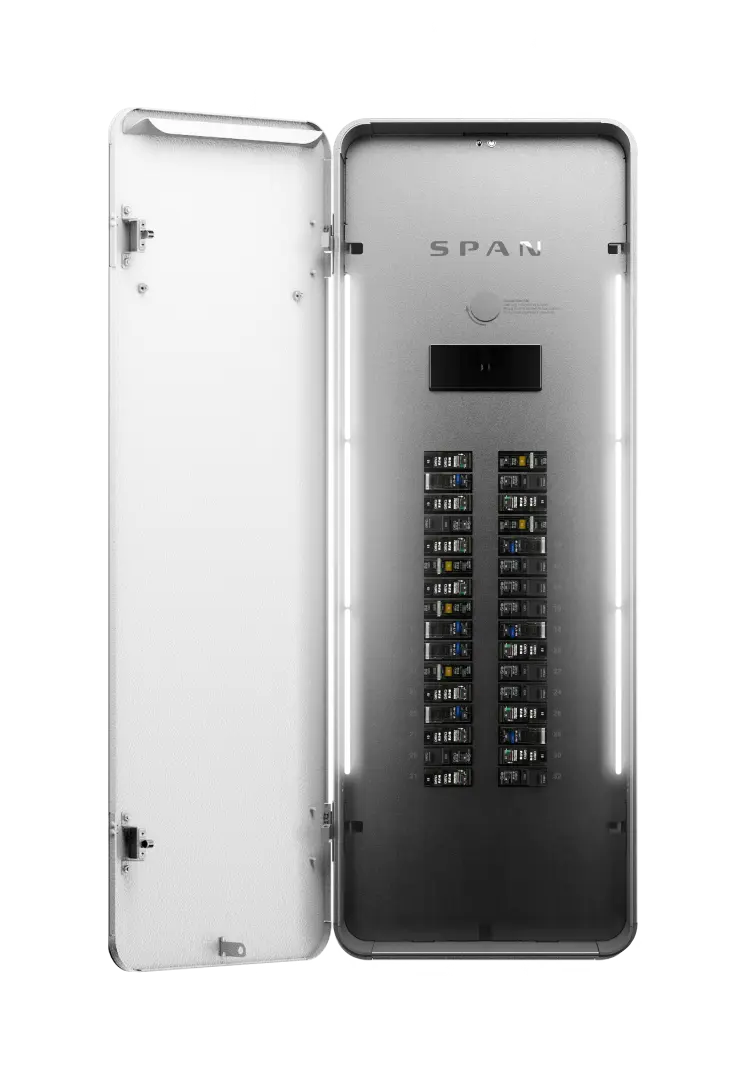
A request for a panel upgrade for Tesla Wall Connector should begin with evidence, not an automatic sales package. The EV circuit, usable panel space, equipment condition, calculated demand and utility service are related but separate questions. This guide helps homeowners ask for an options-based assessment and compare complete proposals without opening a panel or attempting their own electrical diagnosis.
The decision is whether the existing panel and service can support the proposed charging load safely or whether management, panel work or service expansion is justified. Treat physical breaker space, equipment condition and electrical capacity as separate findings.
Four separate questions hide inside “Do I need a panel upgrade?”
First, is there enough calculated service capacity for the proposed EV load? Second, does the panel have suitable physical and electrical provisions for a new circuit? Third, is the equipment in acceptable condition? Fourth, do future projects justify changing the service now? A single photo or the main-breaker number cannot fully answer all four.
Ask the electrician to state which question creates the proposed work. “No space” may lead to tandem restrictions, a subpanel, consolidation, or replacement, depending on listing and design. “No capacity” may lead to a smaller circuit, load management, or service upgrade. Damaged or obsolete equipment creates a separate safety and reliability decision.
Panel replacement and service upgrade are not synonyms
Replacing a panel at the same rating changes distribution equipment but may leave the utility service, meter, and upstream conductors unchanged. Increasing service capacity can involve the utility, meter base, service entrance, grounding, main disconnect, and distribution. Proposals should use specific terms and identify every component included.
This distinction affects permits, shutdowns, inspections, utility scheduling, wall repair, and price. If a quote says “200-amp upgrade,” ask whether it includes utility-side work, meter equipment, service conductors, main panel, grounding, surge protection, labeling, permit fees, and restoration.
When a smaller EV circuit may be enough
Home charging should be sized around energy needed during the parking window. If the preferred high-current design exceeds available capacity, a lower commissioned current may still meet daily use. Calculate expected recovery with the actual vehicle and schedule before rejecting the option. Keep occasional high-mileage days separate from ordinary commuting.
A smaller circuit is not a shortcut around assessment. Breaker, conductors, terminations, routing, and Wall Connector commissioning still need an approved design. If a future upgrade is expected, the contractor can discuss conduit or route planning without installing conductors that are unsuitable for present protection.
When managed charging belongs in the comparison
Tesla-supported power management may allow charging to respond to available site capacity in a compatible configuration. Compare hardware, monitoring location, communications, operating behavior, inspection acceptance, support, and failure response with the cost and benefits of infrastructure work. A management device should appear in the drawings and written scope.
Managed charging can be attractive when household peaks are occasional, but it may reduce charging during high demand. Households with multiple EVs or unpredictable schedules should consider whether that behavior meets their needs. Ask for the configured service limit and a realistic example of how charging changes.
Reasons to proceed with broader electrical work
A panel or service project can be sensible when equipment is damaged, lacks appropriate capacity or spaces, is part of a documented correction, or must support planned electrification. Combining work can reduce repeated shutdowns and restoration, but only if the larger design is clear. Future-load allowances should be identified rather than bundled into a vague upgrade.
Before approval, obtain an address-specific scope, load basis, equipment schedule, utility responsibilities, outage plan, permit sequence, and alternatives considered. The charger circuit and final commissioned setting should remain visible within the larger project so it does not disappear into a lump-sum panel quote.
Compare upgrade and managed charging scopes
Any recommendation for panel work should be reflected in a proposal that covers the assessment, new circuit, panel modifications, service equipment or utility work when actually required, power-management equipment, commissioning, permits and inspection. Require the candidate to name the replacement equipment, load assumptions, utility dependency, permit applicant and any allowance for service-entrance or grounding conditions that remain concealed.
Watch for “every EV charger needs 200 amps,” a panel quote with no load analysis or a management-device proposal with no compatibility and failure-mode explanation. When utility records, feeder details or equipment condition still need review, the provider should label the recommendation provisional and name the required check. An upgrade decision should follow that evidence.
Closeout should identify the EV circuit, charger setting, management device, panel or service changes, inspection result and assumptions for future additions. The panel schedule and equipment records should agree. Record separate contacts for Wall Connector support, electrical workmanship and utility equipment when each falls to a different organization.
Ask for an option-based panel assessment
Supply known service and panel ratings, prior records, major appliances, planned electrification and daily charging needs. Photographs should be limited to closed, normally visible equipment. Tell the assessor about a likely heat pump, battery or second EV, but ask the quote to separate preparation for those loads from the present charger project.
Ask the electrician to explain its load method, panel-condition assessment, utility coordination experience and any Tesla-supported management option. Verify the contracting license under the legal name on the proposal. Product-specific qualification, service coverage and the crew’s ability to perform a service change should each be confirmed rather than inferred from one badge.
Request an options-based assessment before approving a panel or service upgrade solely for charging. Use request service with the product and address or review Tesla Wall Connector installation. The assigned provider should confirm the electrical finding, Tesla equipment support, availability and final scope for that property.
Confirm why the selected option won
Reconcile the load assessment with the quoted charger setting and every proposed panel component. A panel replacement or service increase should identify the exact problem solved, utility involvement, permit path, planned outage and alternatives considered.
Review the proposed charger setting and any Tesla management equipment against current product instructions, then ask the electrician to justify the panel recommendation from property findings. The scope should separate the new circuit, panel modifications, service or utility work, management hardware, commissioning, permits and inspection. When a smaller approved circuit or supported management approach was rejected, request the reason. This keeps a genuine capacity or equipment finding distinct from the Wall Connector’s advertised maximum.
Bring together known service and panel ratings, prior electrical records, major appliances, planned electrification and the vehicle’s daily charging need. Provide safe access and park the vehicle normally so the route and cable reach can be considered. Do not remove the panel cover; condition, feeder constraints, available space and load inputs must be verified by the professional responsible for the recommendation.
The closeout package should identify the installed EV circuit, configured charging setting, any management device, every panel or service change, inspection result and the assumptions used for future additions. If utility work is part of the job, include its status as well. This record lets the owner verify the agreed scope without implying that unreviewed future equipment is already approved.
Flag any recommendation that still depends on a load input, feeder inspection, utility answer, equipment part number or permit review. The proposal should say who will confirm that dependency, whether it can change the price and which alternatives remain available. Do not allow “panel upgrade required” to stand as an unexplained placeholder for several different possible scopes.
Ask for alternatives in the same written comparison
When capacity is the concern, ask the electrician to compare the recommended panel or service work with any supportable lower charging setting or compatible power-management approach. The comparison should show the vehicle energy delivered during the normal parking window, equipment required, utility involvement, expected outage and effect on future projects. When panel condition—not capacity—is the reason for replacement, keep that finding separate so load management is not presented as a cure for damaged or unsuitable equipment. A side-by-side explanation makes clear which work is necessary now, which option addresses convenience and which preparation is intended for later electrification.
Frequently asked questions
Does a full panel mean I need a service upgrade?
Not necessarily. Physical breaker space, bus capacity, calculated load and service capacity are related but different issues that need assessment.
Can a subpanel solve the problem?
A subpanel can add distribution space but does not create service capacity. Its feeder and upstream system must support the design.
Can the Wall Connector charge at a lower current?
Supported current settings can be commissioned for the installed circuit. The design still needs to meet the property’s charging goals and applicable requirements.
What is load management?
It is a method of controlling EV charging in response to available electrical capacity. Use equipment and configurations supported for the intended application.
When is a panel upgrade still sensible?
It may be appropriate for equipment condition, capacity, code corrections, planned loads or service changes. The proposal should state the actual reasons.
Sources
Request a property-specific assessment
Share the address, equipment and project goal. The service team can confirm the next step and proposed provider qualifications.
More from the learning center
Continue reading.
Related guides for the next decision.
Cable Routing for a Tesla Charger Installation
Compare Tesla charger cable routes through garages, attics, crawlspaces, exterior walls, and underground paths while planning access and restoration.
Read the articleGen 3 Tesla Wall Connector Installation Planning
Plan a Gen 3 Tesla Wall Connector project around the circuit, mounting location, connectivity, commissioning, power sharing, and future charging needs.
Read the articleHow to Find a Tesla Certified Installer Near Me
A practical guide to finding and comparing a Tesla Certified Installer near you for Wall Connector, Powerwall, and related electrical projects.
Read the article