

Electrical Projects
Electrician Near Me for an Electrical Panel Upgrade
Learn how to find and compare an electrician for a panel upgrade, from load assessment and utility coordination to permits, quotes, and final inspection.
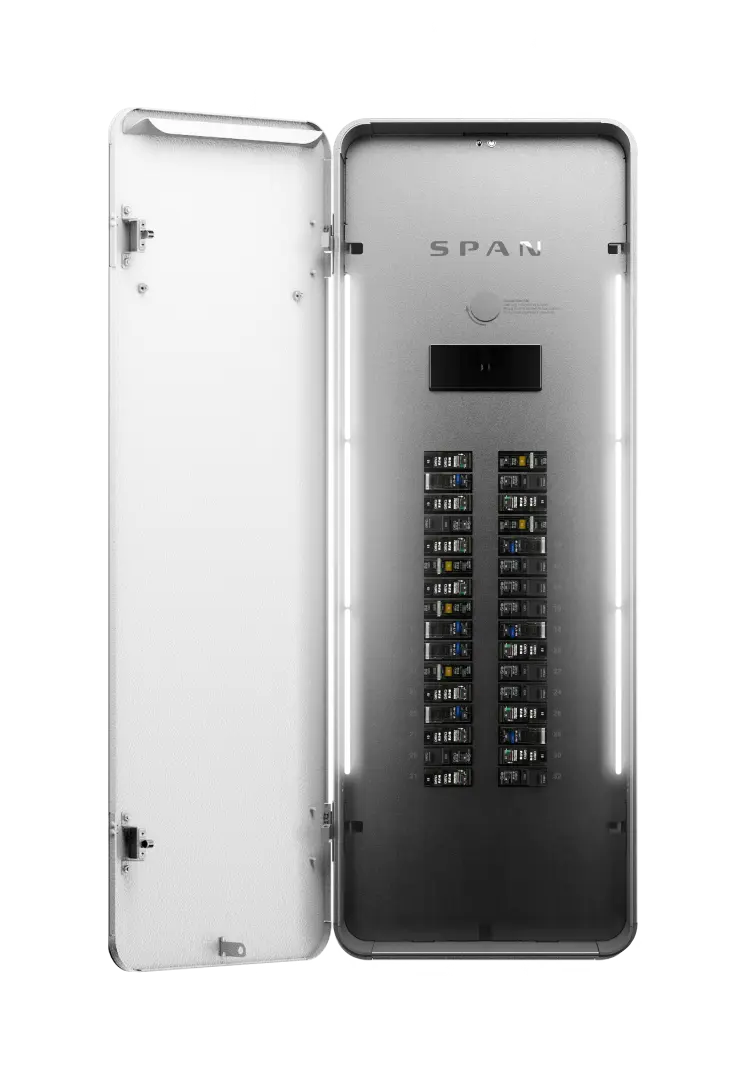
This article is general education, not electrical design or do-it-yourself instructions. A qualified professional must assess the property and applicable requirements.
A panel project often begins with a search for “electrician near me for panel upgrade,” yet capacity, equipment condition, and future loads matter more than simple distance. This article turns an older, damaged, crowded, or undersized electrical panel into a safer, more complete request. The objective is to decide whether the residence needs a panel replacement, a service-capacity change, a subpanel, or a smaller correction. Residents can supply usage records and future-load plans, while inspection of enclosed or energized components remains the electrician’s work.
Choose a contractor experienced with both panel replacement and service changes, because the scopes can involve different utility and inspection steps. Verify the business and license for the address. Ask who prepares the load assessment, specifies compatible equipment, applies for permits, and coordinates any meter disconnect or reconnection.
First decide whether the situation is urgent
Treat heat, crackling, visible damage, a burning odor, repeated breaker trips, or loss of power associated with the panel as a reason to stop ordinary use and seek prompt help. Smoke, flame, active arcing, or an immediate threat requires evacuation and emergency services; an online form is not emergency response. Do not remove covers, reach into an enclosure, touch damaged conductors, or approach water near electrical equipment merely to gather a photograph.
When there is no immediate hazard, record which circuits or large appliances were operating and any recent EV, HVAC or renovation work. Photograph only labels visible with the panel closed. Do not repeat a failing reset or remove the cover to identify a breaker brand for an estimate.
Replacement or capacity change?
A panel can be replaced because its enclosure, bus, breakers, or connections are no longer suitable while the service capacity stays the same. Increasing service capacity is a different decision and may involve conductors, meter equipment, the service entrance, and utility work. Require the proposal to use precise language so bids for these two scopes are not compared as if they were identical.
Load calculation before the recommendation
A future-load list matters more than counting empty breaker spaces. Electric vehicles, electric cooking, heat pumps, water heating, solar, batteries, and additions can change the plan. Request the calculation method and assumptions. If load management is proposed, ask which loads it controls, how it responds, what hardware it uses, and how the homeowner will know that it is operating.
Legacy panel concerns
Brand reputation alone does not diagnose the panel in front of you. The assessor should record the manufacturer, model, condition, breaker compatibility, modifications, heat evidence, and service arrangement. If replacement is recommended, request photographs and a plain explanation tied to observed conditions. Do not buy breakers online or assume a part fits because it appears similar.
Utility and meter sequence
A service change may require an application, approval, meter work, a scheduled disconnect, inspection, and reconnection. Ask who owns each step and what can delay it. Confirm whether temporary power is expected and how weather, access, or utility scheduling could affect the day. This coordination belongs in the timeline rather than appearing as an unpriced surprise.
Planning the new circuit directory
The final panel should have a readable circuit directory based on actual verification, not vague room names copied from the old label. Ask whether the electrician will trace uncertain circuits and identify multiwire or shared arrangements. Store the directory, photographs, permit record, and equipment data together so a future EV, battery, generator, or renovation project begins with better information.
Separate condition, space and calculated capacity
Ask the assessor to report three findings independently: whether the existing panel is in suitable condition, whether it has usable physical spaces, and whether the electrical service can support the proposed load. The review may extend to breaker compatibility, grounding and bonding, service conductors, meter equipment and utility records. Each recommended change should trace back to one of those verified needs.
A same-amperage replacement can address equipment condition without increasing service capacity. A subpanel can create distribution space without adding utility capacity, while load management can affect how a defined new load operates. Ask the proposal to explain which of those distinctions applies and to price speculative future preparation apart from the current correction.
Compare contractors on utility and outage planning
Check the electrical license for the residence and ask who routinely handles applications, meter coordination, inspection and reconnection when service work is involved. Confirm insurance and identify any subcontractor responsible for trenching, siding, masonry or finish repair. If a smart panel or load-control product is proposed, verify the named team’s ability to configure and support that exact equipment.
Compare panel bids using the existing and proposed service rating, panel model, main device, breaker count, surge protection, grounding and bonding work, meter or service-entrance changes, circuit tracing, labeling, permits, utility fees, outage planning, finish repair, testing, and disposal. A same-amperage replacement is not a service-capacity upgrade.
Use the panel assessment to answer these questions before signing:
- Is this a same-amperage replacement, a service-capacity increase or added distribution space?
- Which observed condition or load result supports each part of the recommendation?
- What are the proposed panel, main device and compatible breaker family?
- Who submits utility and permit documents, and which approval controls the outage date?
- Are meter, service entrance, grounding, wall repair and disposal included in the price?
- How will uncertain circuit labels and any deferred corrections be documented?
Prepare usage records and safe exterior access
Gather recent utility bills, closed-cover photographs, major-appliance models and realistic plans for EVs, heat pumps, cooking, solar or storage. Move ordinary storage away from the panel’s approach and provide access to the meter without touching seals or service equipment. Explain medical devices, remote-work needs or refrigeration that require a specific outage plan.
Confirm whether the visit is an assessment, diagnostic call, or scheduled replacement. Clear safe working access without removing the cover. Provide utility bills, future-load plans, prior permits, solar or generator diagrams, and exterior meter access. For service work, discuss outage needs and utility dependencies before choosing an installation date.
Close out the panel, directory and utility record
At completion, read the new circuit directory with the electrician and clarify any circuit that could not be traced. Confirm permit and inspection status, utility reconnection records and the proposed-versus-installed panel information. Save photographs, load documentation, equipment data and separate workmanship terms so the next EV or electrification project starts from the completed design.
If heat, damage, an incompatible breaker, or another panel condition remains unresolved, identify the circuits that must stay off and the person returning. Keep the written restriction with the panel. Re-energization or a successful inspection of completed work does not resolve a separate item expressly deferred from the project.
Make future provisions specific enough to use
“Future-ready” should describe a credible next project, not an unlimited promise. Put likely additions in order—perhaps one EV first, a heat pump later and battery storage after solar—and give the electrician model information when it exists. The proposal can then show which provision serves each phase and which assumptions would require another assessment.
Physical preparation and electrical capacity are not interchangeable. A spare raceway, wall area or breaker position may simplify later construction, but it does not prove the service can carry an unknown load. Conversely, calculated capacity is of limited value if a future circuit has no practical route to the garage, roof or equipment location. Ask the drawings and closeout notes to identify both.
If a smart panel or load-management device is part of the plan, request its exact operating role, connected loads, account ownership and expected behavior during a communications fault. Record configured limits and preserve the current load assessment with the new circuit directory. A later contractor can then evaluate what actually changed instead of treating the words “upgrade” and “smart” as technical specifications.
Frequently asked questions
Is a panel replacement the same as a service upgrade?
No. A replacement may keep the existing service capacity, while a service upgrade can involve the meter, service conductors, utility connection, and other equipment. Ask the electrician to define which project is proposed and why.
Does adding an EV charger always require a larger panel?
No. The electrician should evaluate the calculated load, charger settings, and approved load-management options before recommending a larger service. The correct answer depends on the residence and planned equipment.
Should I open the panel before the estimate?
No. Leave covers and dead fronts in place. Provide the information you can gather safely and let a qualified electrician inspect energized or enclosed components.
Who coordinates with the utility?
Responsibility varies by project and utility. The written scope should identify who submits applications, schedules disconnects, provides meter equipment, and confirms reconnection.
What should the final paperwork include?
Ask for the invoice, equipment details, applicable warranty terms, inspection or permit closeout records, and updated circuit directory. Keep these records with the residence.
Request a panel and service assessment
Share the current equipment, symptoms and future-load list through the Voltera contact page or review electrical panel upgrade services. Provider availability, utility steps, final equipment and outage timing are confirmed for the residence.
Sources
Request a property-specific assessment
Share the address, equipment and project goal. The service team can confirm the next step and proposed provider qualifications.
More from the learning center
Continue reading.
Related guides for the next decision.
Bathroom and Garage Circuit Upgrade Guide
Plan bathroom and garage circuit upgrades by reviewing moisture, high-power tools, EV plans, receptacles, lighting, protection, panel capacity, and future use.
Read the articleBurning Electrical Smell: Safe Steps and When to Call
Know how to respond to a burning electrical odor, reduce immediate risk, describe the problem, and find an electrician for a prompt professional assessment.
Read the articleElectrical Work for a New Heat Pump
Coordinate heat-pump installation by defining equipment ratings, circuits, disconnects, panel capacity, contractor roles, permits, and startup checks.
Read the article