
Tesla Certified Installer
Tesla Wall Connector Planning for Condos and Multifamily Parking
Tesla Wall Connector Planning for Condos and Multifamily Parking: evaluate Wall Connector multifamily installation, scope, property conditions, provider...
This article is general education, not electrical design or do-it-yourself instructions. A qualified professional must assess the property and applicable requirements.
Service and estimate requests continue through the Charge Home Solutions intake path with Voltera attribution.
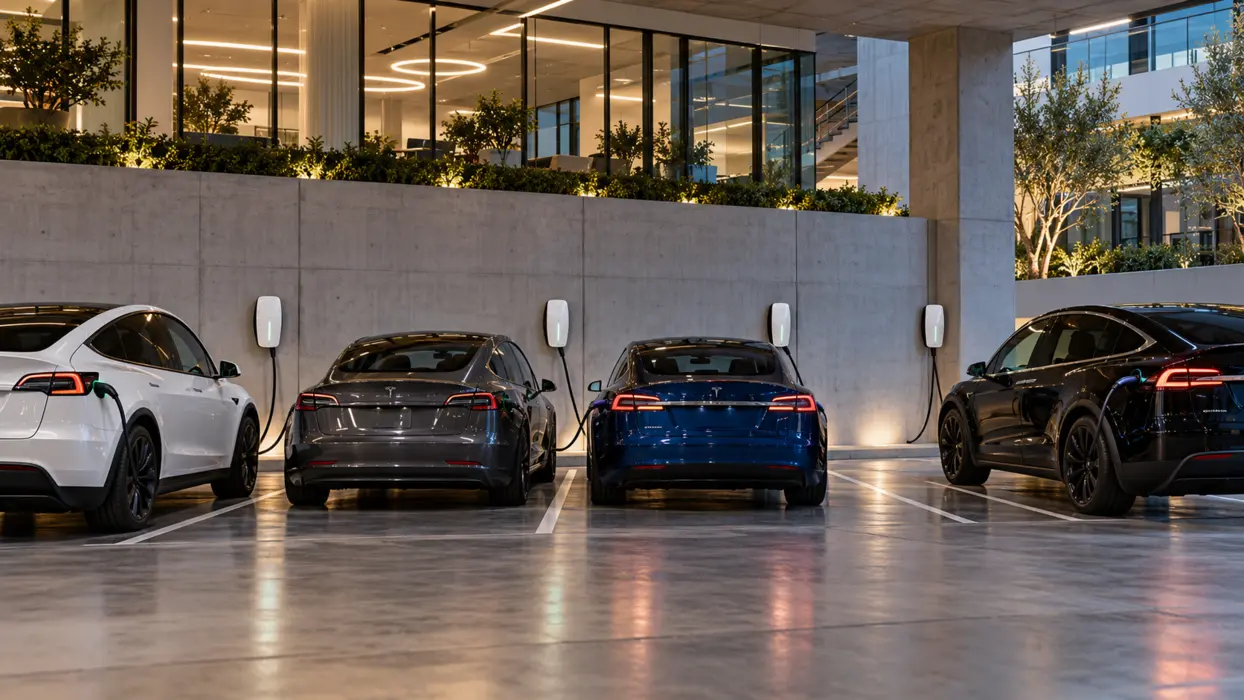
Tesla Wall Connector Planning for Condos and Multifamily Parking is a practical guide for residents, boards and property managers. It focuses on charging at a condo or multifamily property, including the property information, provider checks and written decisions that should come before scheduling. For Wall Connector multifamily installation, the Charge Home Solutions acquisition of Voltera Energy means requests started through Voltera continue through the Charge Home Solutions service path with Voltera attribution.
A search for Wall Connector multifamily installation can identify a starting point, but it cannot by itself confirm availability, price, design or the company assigned to the address. The useful next step is to coordinate parking rights, metering and electrical distribution. That requires a review of a shared-building EV charging project, current conditions and the exact equipment or operating result under consideration.
Use this Wall Connector multifamily installation article to organize approvals, billing and scalable infrastructure and work toward a property approval and expansion roadmap. The Wall Connector multifamily installation guide does not replace a property assessment, manufacturer instructions, an electrical design, permits or a signed contract. Its purpose is to prevent treating one resident request as the complete building plan and make the estimate conversation more specific, comparable and easier to document.
Plan property protection
For Wall Connector multifamily installation, floor, wall, landscape and parked-vehicle protection is the starting point for plan property protection. Residents, boards and property managers should connect that fact to charging at a condo or multifamily property instead of treating it as a generic assumption. Within a shared-building EV charging project, record dust, weather and water-control measures, identify the source and note when it was last checked. A provider addressing approvals, billing and scalable infrastructure can then compare temporary shutdowns and occupant communications with secure storage for materials and removed equipment and explain how both affect the proposed work.
Before deciding how to proceed with a shared-building EV charging project, resolve cleanup standards and responsibility for debris and a walk-through before final acceptance. When an answer remains unknown for charging at a condo or multifamily property, assign an owner and resolution date. The written record for Wall Connector multifamily installation should support a property approval and expansion roadmap. Qualified professionals assigned to a shared-building EV charging project remain responsible for design, code compliance and safe field work.
Define testing and commissioning
Wall Connector multifamily installation starts the define testing and commissioning step with tests required by the approved design and manufacturer. Because residents, boards and property managers need a property-specific answer, settings recorded after installation is complete should distinguish an observed condition from an estimate or assumption. For a shared-building EV charging project, ask the proposed provider to show how normal operation demonstrated under safe conditions will be coordinated with relevant fault indications explained to the owner. An explanation of charging at a condo or multifamily property should be clear enough for the customer to understand and detailed enough for the project file.
Before residents, boards and property managers approve the work, clarify app, network and account access transferred correctly. In the Wall Connector multifamily installation scope, use open items recorded instead of hidden at turnover as an acceptance checkpoint rather than a verbal promise. This documented approach to a shared-building EV charging project reduces the risk of treating one resident request as the complete building plan. Comparing proposals for approvals, billing and scalable infrastructure also becomes easier when each party uses the same property record and definition of success.
Evaluate residential estimate terms
Treat evaluate residential estimate terms as a sequence for Wall Connector multifamily installation. In a shared-building EV charging project, first document whether the visit is a planning estimate or paid diagnosis, next verify the property information needed before arrival and then name an owner for the conditions that can change the written price. For charging at a condo or multifamily property, the schedule should show where equipment and work expressly included in the offer occurs and whether it depends on a manufacturer, utility, authority, owner or manager. Residents, boards and property managers can then see which decisions are confirmed and which still require evidence.
Before procurement or field work at a shared-building EV charging project, resolve the next decision after the home assessment. Keep confirmation that a request is not a booked appointment with the final scope so it can be checked without relying on memory. The approvals, billing and scalable infrastructure benefit is clear accountability, not simply more paperwork. If the assigned provider changes during Wall Connector multifamily installation, the same record continues to support a property approval and expansion roadmap.
Measure value after completion
A property conversation about Wall Connector multifamily installation should consider the operating result promised in the proposal and reliability, access or charging behavior observed later together. In a shared-building EV charging project, reviewing only one can hide a constraint that changes the appropriate solution. During assessment of charging at a condo or multifamily property, request a plain-language explanation of support cases and corrective work kept in one record and its interaction with energy or utilization data interpreted with context. Supporting documents for approvals, billing and scalable infrastructure can include photographs, measurements, drawings or manufacturer instructions when they apply.
For Wall Connector multifamily installation, do not approve lessons that affect expansion or another property as an unresolved assumption for a shared-building EV charging project. For residents, boards and property managers, place that question on an open-items list with an owner and due date. Within Wall Connector multifamily installation, use a scheduled owner review instead of a ranking claim to decide when this part of measure value after completion is ready to close. The result helps residents, boards and property managers coordinate parking rights, metering and electrical distribution while separating confirmed conditions, professional recommendations and customer preferences.
Use a written change process
Wall Connector multifamily installation requires a complete use a written change process review that asks who knows each fact and what evidence supports it. At a shared-building EV charging project, the condition that triggers a change request may come from the owner, whereas photographs or measurements supporting the revision may require records or field verification. For charging at a condo or multifamily property, the proposed provider should connect price and schedule effect before extra work begins to the person authorized to approve the change in the drawings, estimate or project notes. This supports approvals, billing and scalable infrastructure with a traceable basis for decisions.
During Wall Connector multifamily installation, if updates to drawings, equipment lists and calculations changes while work at a shared-building EV charging project is being planned, update the affected scope, price and schedule before extra work begins. At turnover for Wall Connector multifamily installation, confirm a record that separates correction from elective upgrade and retain the result with the property records. The record protects the intended outcome, a property approval and expansion roadmap. A future technician reviewing a shared-building EV charging project can then understand why the installation was configured as shown.
Use data without overpromising
Wall Connector multifamily installation planning begins use data without overpromising with measured conditions separated from estimates. For Wall Connector multifamily installation, test that answer against assumptions labeled with their source and date, then reconcile it with manufacturer ratings separated from property performance and operating scenarios rather than one universal prediction. When those inputs conflict during charging at a condo or multifamily property, identify the measurement, document or authorized stakeholder that can settle them. That pause protects approvals, billing and scalable infrastructure from decisions based on incomplete information.
The proposal for a shared-building EV charging project should state how unknown utility or approval timing stated plainly will be handled and who is accountable. The closeout requirement for Wall Connector multifamily installation should include a decision that can be revisited when evidence changes. Residents, boards and property managers can then evaluate the plan without treating an article, directory listing or preliminary conversation as the final design. Final recommendations for a shared-building EV charging project must remain specific to the address and responsible professionals.
Charge Home Solutions, Voltera Energy and the Wall Connector multifamily installation service path
Charge Home Solutions acquired Voltera Energy. For Wall Connector multifamily installation, Voltera remains an educational and request-entry resource, while estimate actions route to Charge Home Solutions with a Voltera tracking tag. Before proceeding with Wall Connector multifamily installation, customers should still confirm the contracting company, assigned provider, qualifications, address availability and written scope.
Residents, boards and property managers can review the related Voltera service guide and then use the request-service page. Residential customers interested in Wall Connector multifamily installation may request a free in-home estimate. For commercial projects involving Wall Connector multifamily installation, customers may request a free onsite assessment when appropriate. The request begins intake; the resulting proposal should explain approvals, billing and scalable infrastructure, price, scheduling, permits, exclusions and how a property approval and expansion roadmap will be produced. Additional Wall Connector multifamily installation company and service information is available at Charge Home Solutions.
Frequently asked questions
These FAQs address Wall Connector multifamily installation, charging at a condo or multifamily property and the service-request process.
Where does a Wall Connector multifamily installation request go after Charge Home Solutions acquired Voltera Energy?
For Wall Connector multifamily installation, Charge Home Solutions owns Voltera Energy, and estimate links route to the Charge Home Solutions request system with Voltera attribution.
Is Wall Connector multifamily installation service confirmed for every address?
For Wall Connector multifamily installation, include the service address and project details so the team can check coverage, the proposed provider, qualifications and scheduling. A Wall Connector multifamily installation service request does not make an appointment automatic.
What project details help with Wall Connector multifamily installation?
For Wall Connector multifamily installation, share the address, the result you want, a description of a shared-building EV charging project, safe photographs of accessible labels or locations, relevant manuals and existing project records. Do not open electrical equipment to collect information.
What should a written proposal for Wall Connector multifamily installation confirm?
A written Wall Connector multifamily installation proposal should identify the contracting party, assigned responsibilities, equipment, locations, approvals, billing and scalable infrastructure, permit and inspection handling, exclusions, price, payment terms, schedule and change process.
Does a free assessment for Wall Connector multifamily installation guarantee a final price or date?
No. For Wall Connector multifamily installation, property conditions, provider availability and the complete written scope must be confirmed before work is booked.
Sources
Request a property-specific assessment
Share the address, equipment and project goal. The service team can confirm the next step and proposed provider qualifications.
More from the learning center
Continue reading.
Related guides for the next decision.
Cable Routing for a Tesla Charger Installation
Compare Tesla charger cable routes through garages, attics, crawlspaces, exterior walls, and underground paths while planning access and restoration.
Read the articleCharge Home Solutions and Nationwide Tesla Certified Installer Requests
Charge Home Solutions and Nationwide Tesla Certified Installer Requests: evaluate nationwide Tesla Certified Installer, scope, property conditions, provider...
Read the articleCommercial Tesla Wall Connector Free On-Site Assessment
Commercial Tesla Wall Connector Free On-Site Assessment: evaluate commercial Wall Connector assessment, scope, property conditions, provider qualifications...
Read the article