

EV & Electrical Planning
Combining an EV Charger Installation with a Panel Upgrade
Plan an EV charger and electrical panel project together, compare load-management alternatives and define utility, permit and inspection responsibilities.
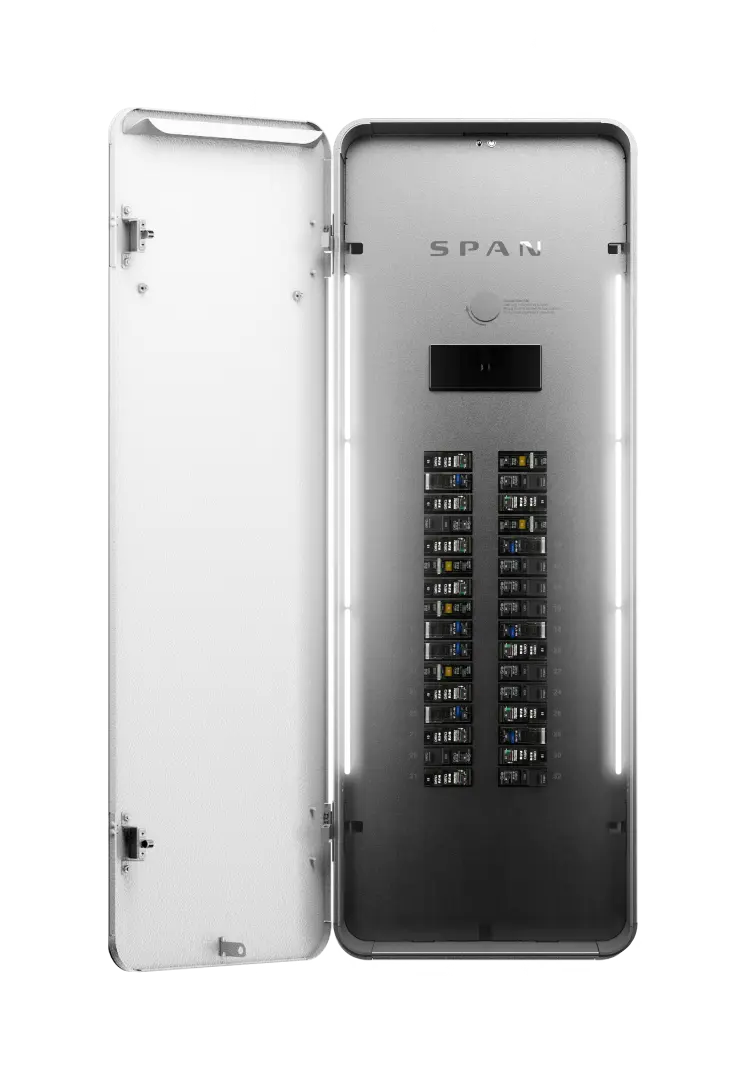
This article is general education, not electrical design or do-it-yourself instructions. A qualified professional must assess the property and applicable requirements.
An EV charger and electrical panel project can be planned together, but the charger does not automatically prove that a larger service is needed. The first task is to identify the actual constraint: calculated capacity, equipment condition, breaker space, compatibility or a utility service limitation.
Combining justified work can reduce duplicated planning and prepare the home for future loads. Combining projects without a clear reason can create unnecessary cost. Ask the electrician to show how the proposed panel work supports the charging requirement and what alternatives were evaluated.
Define the charging goal first
Record the vehicle, expected daily mileage and hours normally parked at home. Add a likely second EV if one may arrive soon. This information helps turn “I want fast charging” into a practical energy requirement.
Choose the charger model or at least the intended connector and feature set. The electrician needs to know its supported configuration and whether compatible power management is available. If the product has not been selected, the proposal should name the equipment used for design assumptions.
Ask for the proposed circuit rating and configured charging output. A vehicle parked overnight may meet its daily need at a lower setting than the charger’s maximum. That can change the capacity conversation, although it does not solve damaged or unsuitable panel equipment.
Ask why panel work is recommended
Request a short written reason. A panel may lack usable breaker positions, contain obsolete or damaged components, have physical limitations, or be part of a service that cannot support proposed loads. These are different findings and should not be bundled under the phrase “needs an upgrade.”
Do not remove the panel cover or rearrange breakers to prepare. Provide accessible labels, previous permits, a recent electricity bill and a list of major electric loads. The qualified professional evaluates the system and determines what field information is required.
If the concern is capacity, ask what load evaluation supports it and which charger setting was assumed. If the concern is condition, request an explanation of the affected equipment. A clear diagnosis makes it easier to compare repair, replacement and service options.
Separate a panel replacement from a service upgrade
A panel replacement can keep the same service rating. A service upgrade may involve service conductors, meter equipment, utility coordination and a change in available capacity. A subpanel can add distribution space without increasing utility service.
The proposal should state the existing and proposed ratings and list meter or service-entrance work. Avoid relying on the word “200-amp upgrade” unless the document explains what actually changes. The utility may control equipment or approvals beyond the customer’s panel.
This distinction affects schedule and outage planning. A same-rating replacement may follow a different process from work that needs utility design or transformer review. Ask which dates the contractor can control and which depend on another organization.
Compare load management with infrastructure work
Compatible load management can reduce or pause EV charging when other loads require capacity. Tesla documents power-management options for supported Wall Connector configurations. Other charger and control products have their own requirements.
Ask how the proposed system measures current, what it controls and how it behaves if communication is lost. The device and charger must be compatible with the approved design. An app schedule that depends on the homeowner remembering a setting is not the same as engineered automatic management.
Compare expected overnight energy under managed conditions with the driving requirement. Management may be an excellent fit for a long parking window and one flexible load. It may be less useful when several new loads must operate together or when existing equipment needs replacement for condition regardless of the charger.
Plan panel space and the circuit route together
Walk from the panel to the normal parking space. Identify unfinished areas, finished walls, attic or crawlspace access, exterior paths and obstacles. The route can materially affect cost even when panel work is straightforward.
If the panel will be replaced, discuss where the new EV circuit enters and whether future conduit can be prepared cleanly. A second EV, heat pump, electric water heater, induction range, solar or battery may influence distribution planning. List credible future projects rather than requesting unused capacity without a plan.
Mounting and cable reach should be evaluated with the car parked normally. The panel project should not dictate a charger location that creates a tripping hazard or awkward cable. Electrical efficiency and daily convenience need to be considered together.
Coordinate utility, permit and inspection steps
Identify the authority having jurisdiction and the serving utility. A permit office reviews applicable electrical work; the utility controls its service and meter processes. Property associations or landlords may add another approval path.
The contract should name the permit applicant, fee responsibility, inspection scheduling and correction responsibility. If utility coordination is required, state who submits information, who schedules disconnection and how re-energization occurs.
Ask for a milestone sequence rather than one completion date. Equipment procurement, utility review, planned outage, panel work, charger installation, inspection and commissioning may not happen on the same day. A realistic sequence helps the household prepare for loss of power.
Build one integrated written scope
Use an equipment schedule with the exact panel, breakers, charger and management hardware. State who supplies each item. Include conductor route, mounting, labels, grounding or bonding work as applicable, permits, inspection and final setup.
Identify restoration boundaries. Drywall, paint, stucco, trench backfill and landscaping may be outside an electrician’s work. A complete quote either includes them or makes the exclusion clear. The same applies to utility charges and engineering.
Change-order terms should explain how concealed conditions are priced and approved. The customer should not learn after demolition that the route or service assumption was merely a guess. Ask for allowances where a condition truly cannot be known in advance.
Plan the outage and installation day
Panel work can require a planned power interruption. Ask for the expected sequence, which appliances should be protected and whether someone must remain onsite. Medical, refrigerated or work-from-home needs should be disclosed before scheduling.
Clear safe access to the electrical equipment and route without removing covers. Move vehicles as directed and keep the charger available if customer-supplied. Do not perform demolition or trenching before the approved route is confirmed.
The contractor should protect the work area and explain when power can safely return. Inspection or utility steps may affect energization. Avoid assuming the charger can be used immediately after mounting if final approvals or commissioning remain.
Complete testing and documentation
The handoff should include an updated panel schedule, charger circuit and configured current. If load management is installed, record sensor or control locations, settings and failure behavior. Test a normal vehicle charging session.
Keep permit and inspection status, invoice, equipment manuals, warranty contacts and photographs of concealed routes. Manufacturer warranty and contractor workmanship terms should be documented separately.
Ask who responds if the panel works but the charger does not connect, or if the charger operates but load management reports a fault. Named contacts make a multi-equipment project serviceable after the installation team leaves.
Compare total project timing, not only labor days
The physical work may occupy a short window while design, utility review, equipment procurement and inspection extend the calendar. Ask the contractor to separate controllable labor time from outside dependencies. This is especially important when a service change requires utility participation or unavailable panel equipment has a long lead time.
Discuss whether the charger can be installed under an interim approved configuration or whether all panel work must finish first. Do not assume temporary arrangements are permitted or suitable. The written sequence should identify the condition that allows each system to be energized.
If the household depends on charging for work, plan an alternative during the outage and approval period. Public or workplace charging can be a contingency, but availability is outside the electrical contractor’s control. A realistic schedule protects the customer from treating an estimated inspection or utility date as a guarantee.
Frequently asked questions
Does every Level 2 charger require a panel upgrade?
No. The answer depends on existing capacity, panel condition, household loads, charger setting and compatible management options. The property must be assessed.
Is replacing the panel the same as increasing service capacity?
No. A panel can be replaced at the same service rating. A service increase may involve the meter, conductors and utility in addition to the panel.
Can load management avoid panel work?
It can address some capacity constraints, but it does not repair damaged or unsuitable equipment. Compatibility and charging performance need professional evaluation.
Can the charger and panel be inspected under one permit?
Processes vary by jurisdiction and scope. Ask the permit applicant to explain the expected applications and inspection sequence for the address.
Should I prepare for a second EV now?
Discuss likely timing, parking and charging schedules. Conduit, panel space or power-sharing preparation may be useful even when a second charger is not installed now.
Request a combined project assessment
Review electrical panel upgrades or request service with the vehicle, charger and address. The proposed provider should confirm capacity, qualifications and scope before scheduling.
Sources
Request a property-specific assessment
Share the address, equipment and project goal. The service team can confirm the next step and proposed provider qualifications.
More from the learning center
Continue reading.
Related guides for the next decision.
A Home Energy Project Roadmap: Panel, Charger, Solar and Battery
Sequence a home energy project from goals and load assessment through panel, EV charger, solar, battery, permits, commissioning and expansion.
Read the articleChoosing a Future-Ready Electrical Panel for EVs and Batteries
Plan a future-ready electrical panel for EVs and batteries by evaluating load, spaces, controls, service capacity, backup design and expansion pathways.
Read the articleCommon Mistakes When Hiring an EV Charger Installer
Avoid common EV charger installer hiring mistakes by checking credentials, load assessment, routing, permits, commissioning and written scope before work.
Read the article